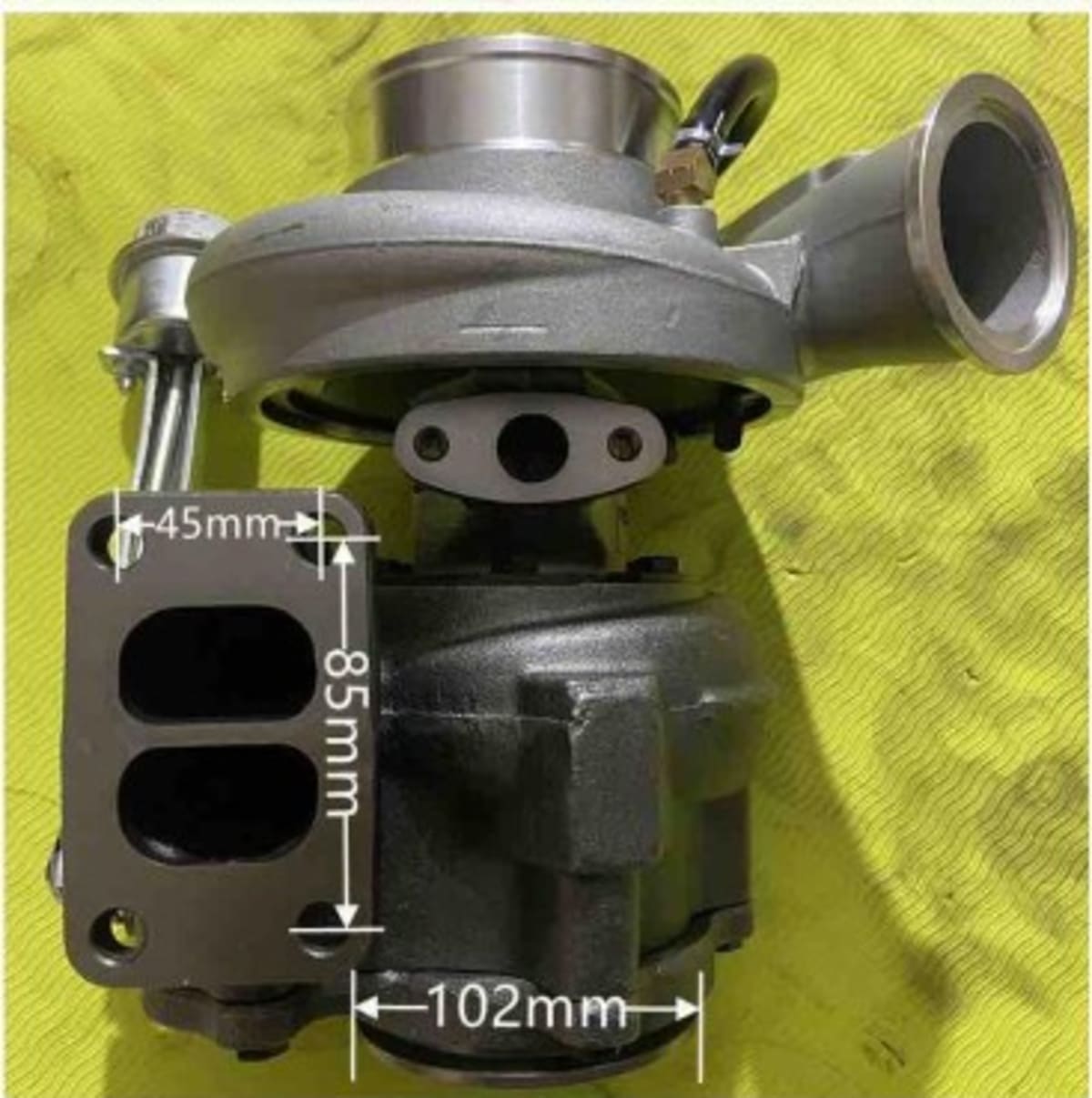
What the Turbocharger (Remanufactured) does
The turbocharger uses exhaust energy to push more air into the engine, which is how a turbocharged generator makes its rated power. When it fails, power drops, smoke rises and fuel consumption climbs.
Turbos rarely fail on their own: oil starvation, dirty oil, dust from a damaged air filter, and long periods of light-load running are the usual causes. Replacing the turbo without fixing the cause means another failure.
Signs it needs replacing
- Loss of power and black smoke under load.
- Blue smoke or oil in the intake or exhaust.
- Whining, siren-like or grinding noise.
- Shaft play or blades touching the housing.
Get the right part first time
Send us these on WhatsApp and our engineers will confirm the exact part before you pay:
- The number on the turbo dataplate.
- A photo of the engine dataplate — the engine serial number decides the exact part.
Fitting notes
Prime the new turbo with clean oil before first start, fit new oil-feed and drain gaskets, and check the oil feed line is clear. Change oil and filter, and check the air filter and intake for leaks. The unit is supplied on exchange for your old core.
Frequently asked questions
Why did my turbo fail?+
Usually oil supply problems, dirty oil, dust ingress or long light-load running. We look for the cause when we replace it.
Does light loading damage turbos?+
It can — light loading causes oil and carbon build-up (wet stacking). Periodic load-bank testing helps.
What warranty is included?+
Six months on the remanufactured turbocharger.