
Industrial Generator Comparisons Hub
A technical deep dive into engine architectures, brand performance, and power configurations for Kenya's industrial landscape.

Technical Reviewer
Eng. Okumu Verified Expert
Technical Consultation
Discuss your facility's power requirements with a senior generator technician.
1. Introduction: The Importance of Technical Comparison in Kenya
In the Kenyan industrial landscape, selecting a generator is one of the most significant capital investments a facility manager or business owner will make. With the frequency of grid instability affecting manufacturing plants in Nairobi, hospitals in Eldoret, and luxury hotels in Mombasa, the choice between different generator architectures and brands is a decision that impacts operational continuity for decades.
A generic approach to generator selection often leads to catastrophic failures. We frequently see facilities equipped with units that are either undersized for their inductive loads or oversized, leading to "wet stacking" and engine glazing. Technical comparison is not just about comparing price tags; it is about evaluating engine derating factors for high-altitude regions like Nairobi, assessing thermal efficiency for coastal environments like Mombasa, and understanding the availability of specialized repair services for specific brands.
At PowerProKe Ltd, our senior engineers have spent over 15 years servicing the diverse range of power equipment used in Kenya. This pillar page provides an authoritative comparison of generator systems, brands, and configurations, designed to help you make an engineering-led decision for your facility.
2. Overview: The Multi-Dimensional Nature of Generator Comparisons
Comparing generators requires a systematic breakdown of several critical factors. It is not a simple "A vs B" scenario; it is a multi-dimensional assessment of how a specific unit will perform under your unique load profile and environmental conditions.
Key Comparison Dimensions:
- Engine Architecture:
Evaluating the prime mover (e.g., Perkins vs Cummins). This involves comparing fuel injection systems, governing precision (mechanical vs electronic), and thermal management capabilities.
- Cooling & Aspiration:
Comparing air-cooled vs water-cooled systems and naturally aspirated vs turbocharged engines. This is critical for units operating in high-ambient temperature regions like Mombasa.
- Power Ratings:
Understanding the difference between Standby vs Prime Power. Using a standby-rated unit for prime power applications is a leading cause of premature engine failure.
- Fuel Type & Efficiency:
Assessing Diesel vs Petrol for different scales of operation. For industrial use, diesel remains the engineering standard due to energy density and safety.
The importance of professional generator diagnostics and sizing cannot be overstated. A mismatch in any of these dimensions will lead to increased operational costs and reduced reliability.
3. Common Generator Problems Resulting from Poor Selection
When a generator is chosen based on price rather than technical comparison, several recurring problems manifest in the field.
Overheating Shutdowns
Often the result of choosing a unit with a cooling system not rated for the local ambient temperature. This is a critical issue in Mombasa and Kisumu.
Troubleshooting GuideLow Voltage Output
Common in low-tier brands with poor AVR quality or insufficient alternator copper mass.
Troubleshooting GuideWet Stacking
Occurs when an oversized generator is chosen, leading to unburnt fuel accumulation in the exhaust. This requires load bank testing to remediate.
Troubleshooting GuideStarting Failures
Often related to poor battery maintenance or choosing a unit with an undersized starter motor for the engine displacement.
Troubleshooting Guide4. Engineering Services for All Generator Types
Regardless of the brand or configuration you choose, professional engineering support is mandatory for long-term reliability. PowerProKe Ltd provides a full spectrum of services for industrial generators in Kenya.
Technical Repair & Overhaul
From top-end engine overhauls to alternator rewinding, our technicians provide expert generator repair for all major industrial brands.
Preventative Maintenance Programs
Scheduled generator maintenance is the only way to ensure 100% reliability. We provide customized service contracts for critical facilities.
Advanced Diagnostics & Load Testing
Our diagnostic services use advanced electronic tools to identify root causes, while load bank testing verifies the unit's performance under stress.
Professional Installation & Commissioning
Correct generator installation involves proper ventilation, exhaust routing, and ATS integration to ensure seamless power transfer.
5. Industrial Generator Brand Comparisons
In Kenya, the choice of brand often dictates the availability of spare parts and the level of technical expertise available for maintenance. Below is a technical comparison of the most common brands.
Perkins vs Cummins Generators: Technical Analysis
Perkins: Known for their mechanical robustness and widespread parts availability in Kenya. Perkins engines (especially the 1100 and 2000 series) are the "workhorses" of the Kenyan commercial sector. They are generally easier to service by a wider range of technicians.
Cummins: Cummins units often feature more advanced electronic control systems (PowerCommand) and integrated fuel systems. They excel in power density and transient response, making them ideal for data centers and high-tech manufacturing.
The Verdict: Choose Perkins for commercial buildings and hotels where parts availability is the priority. Choose Cummins for critical industrial applications where precise electronic control and rapid load response are mandatory.
Perkins vs Caterpillar Generators: Heavy-Duty Performance
Caterpillar (CAT): CAT generators are engineered for extreme durability and heavy industrial use. Their engines are designed for long overhaul intervals and can handle high-sulfur diesel better than many competitors. However, CAT repair often requires specialized diagnostic tools.
Comparison: While Perkins is excellent for standby use in office blocks, Caterpillar is the preferred choice for construction sites and remote mining operations where the unit will run for thousands of hours annually.
FG Wilson vs Caterpillar: Standby vs Prime Power
FG Wilson: FG Wilson specializes in high-quality enclosures and reliable standby configurations. They often use Perkins engines, combining Perkins reliability with FG Wilson's superior acoustic and weather-protective engineering.
Comparison: For a hospital or hotel in Nairobi where noise levels and aesthetic integration are important, FG Wilson is often the winner. For a manufacturing plant where the generator is a primary production tool, the heavy-duty architecture of a Caterpillar unit is superior.
Perkins vs FG Wilson: Understanding the Relationship
This is a common point of confusion. Perkins is an engine manufacturer, while FG Wilson is a generator set packager that primarily uses Perkins engines. Comparing them is often a matter of comparing a "loose engine" application vs a "complete factory-integrated" system.
6. Technical Architecture Comparisons
Beyond brands, the technical configuration of your generator determines its suitability for your specific application.
Diesel vs Petrol
For any application above 10kVA, diesel is the only engineering choice. Diesel engines have higher energy density, lower fire risk, and significantly longer lifespans (15,000+ hours vs 2,000 hours for petrol).
Full Technical AnalysisAir Cooled vs Water Cooled
Air-cooled units are simpler but limited to small capacities. For the Kenyan climate, water-cooled systems are essential for industrial units to prevent cylinder head warping and maintain stable operating temperatures.
Full Technical AnalysisIndustrial vs Portable
Industrial generators run at 1500 RPM (low speed) for 24/7 durability. Portable units run at 3000 RPM, leading to rapid wear and poor frequency stability. For business continuity, an industrial unit is mandatory.
Full Technical AnalysisStandby vs Prime Power
Standby ratings are for emergency use only. Prime power units are engineered for continuous operation with a 10% overload capacity. Using a standby unit for prime power will void warranties and lead to engine failure.
Full Technical Analysis7. Industries Relying on PowerProKe Ltd Engineering
Different industries have unique power requirements. Our engineering solutions are tailored to the specific needs of each sector.
8. Regional Service Areas: Powering Kenya
PowerProKe Ltd operates a national network of field technicians, ensuring rapid response times in all major economic hubs.
9. Knowledge Hub: Technical Guides & Tools
Explore our library of technical resources designed for facility managers and engineers.
Maintenance Guides
Troubleshooting
Engineering Tools
10. Frequently Asked Questions
Which brand has the best spare parts availability in Kenya?
Perkins currently holds the lead in spare parts availability across Kenya, followed closely by Cummins. This makes Perkins the most practical choice for commercial facilities where downtime must be minimized.
Can I use a standby generator for a remote construction site?
No. Standby generators are not engineered for the continuous run-times required at construction sites. You must use a Prime Power rated unit to avoid engine failure and voided warranties.
What is the main difference between Perkins and Cummins?
Perkins is generally more mechanical and easier to service in remote areas. Cummins features more advanced electronic controls and better transient load response, making it superior for data centers and sensitive electronics.
How does altitude affect generator performance?
In high-altitude areas like Nairobi (1,795m), naturally aspirated engines lose about 3% power per 300m above sea level. This 'derating' must be accounted for during the technical comparison phase.
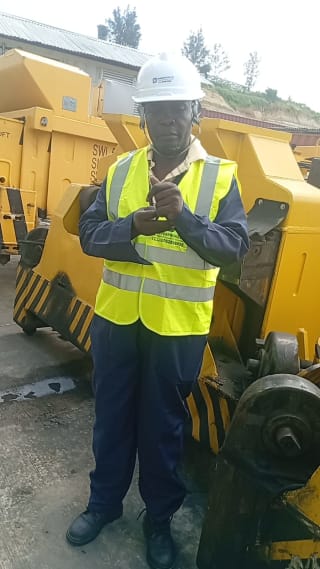
Eng. Okumu
Lead Technical Reviewer & Auditor
Specialization
Alternator Rewinding & Precision Servicing
Experience
18+ Years Industrial Power Systems
All information in this guide has been field-verified by our engineering team to meet current Kenyan Energy Regulatory Authority (EPRA) standards and manufacturer-specific diagnostic protocols for Perkins, Cummins, and Caterpillar systems.
Secure Your Facility's Power Reliability
Choosing the right generator architecture is a decision that impacts your business for decades. At PowerProKe Ltd, we bring 15+ years of field engineering experience to help you make the right choice.
Don't rely on sales brochures. Contact our technical team today for a comprehensive engineering audit of your power requirements.