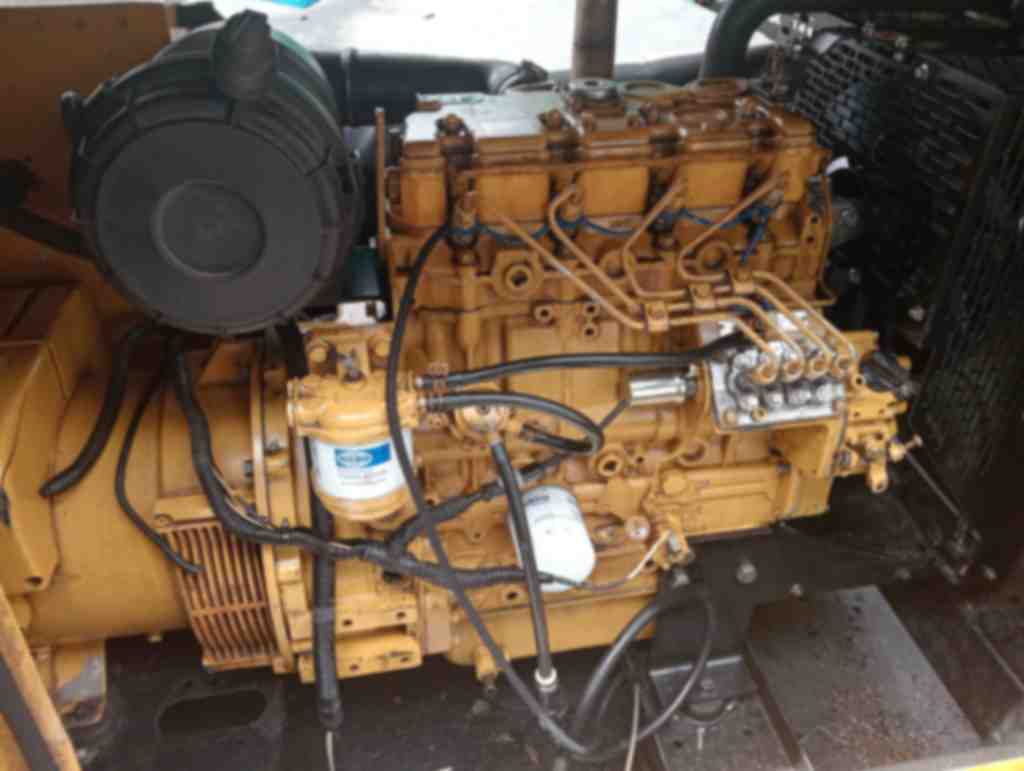
Generator Load Testing Kenya
PowerPro Kenya is the leading provider of generator load testing across the country. We support critical infrastructure with engineering-led solutions and rapid response times.
Generator Load Testing Services in Kenya
Load bank testing is the only definitive way to verify that your generator can handle its rated capacity during a real power failure. At PowerProKe Ltd, we use advanced resistive and reactive load banks to simulate actual building loads, identifying weaknesses in the engine, cooling system, and alternator before they cause a failure.
Our testing process is essential for preventing "wet stacking"—the accumulation of unburnt fuel in the exhaust system caused by running generators at low loads. By applying a controlled, stepped load, we burn off carbon deposits and ensure the engine reaches its optimal operating temperature, extending its lifespan and efficiency.
We provide detailed performance reports that include voltage stability, frequency regulation, and cooling system efficiency. Our load bank testing services are a critical component of any comprehensive preventive maintenance program, especially for facilities with zero-tolerance for downtime.
When to Schedule a Load Test
Annual Compliance
Most insurance and safety standards require an annual 100% load test for critical facilities.
After Major Overhauls
To verify that the engine and alternator are performing to factory specifications after a rebuild.
Suspected Wet Stacking
If you see black oily liquid leaking from the exhaust, a high-load run is required to clear the system.
New Installation Commissioning
To prove the generator meets the design specifications before final handover.
Our Load Testing Workflow
Phase 1: Pre-Test Inspection
Verifying fluid levels, belt tension, and electrical connections before applying load.
Phase 2: Stepped Load Application
Gradually increasing the load in 25% increments (25%, 50%, 75%, 100%) to monitor stability.
Phase 3: Full-Load Endurance Run
Running the generator at 100% load for a sustained period (typically 2-4 hours) to test thermal stability.
Phase 4: Post-Test Analysis
Recording all final data and providing a comprehensive performance certificate.
Hidden Issues We Uncover
Load testing reveals problems that are invisible during no-load testing:
Radiator Core Blockages
The engine stays cool at no-load but overheats within 15 minutes of 100% load application.
Failing Turbochargers
Turbochargers that fail to provide adequate boost pressure when the engine is under stress.
Fuel Delivery Restrictions
Partially blocked fuel filters or failing lift pumps that cannot maintain flow at high demand.
AVR Instability
Voltage regulators that hunt or oscillate when the alternator is under heavy electrical load.
Generators We Load Test
Generators & Brands We Service
Our technical expertise spans across all major industrial and commercial diesel power systems. We provide specialized generator brand repair for:
Industries We Serve
Data Centers
Critical verification to ensure 100% uptime during grid failure.
Hospitals
Ensuring life-safety systems have reliable backup power capacity.
Telecommunications
Verifying remote site power systems for continuous connectivity.
Banking
Protecting financial infrastructure with verified backup power.
Our Load Testing Scope
Step-Load Application
Applying load in increments (25%, 50%, 75%, 100%, 110%) to test transient response and stability.
Cooling System Stress Test
Monitoring coolant and oil temperatures at 100% load to ensure the radiator and fan are functioning correctly.
Alternator Performance Audit
Verifying voltage regulation and frequency stability under full load and during sudden load steps.
Detailed Performance Report
Providing a digital report with data logs, temperature readings, and a certificate of performance.
Technical Insight: Wet Stacking
Wet stacking occurs when a diesel engine operates at less than 30% of its rated load. The combustion temperature remains too low to burn all the fuel, leading to carbon buildup on the valves and "slobber" in the exhaust. A 2-hour load bank test at 75% load or higher is the only way to reverse this damage and restore engine efficiency.
National Service Coverage
PowerPro Kenya maintains a network of mobile engineering teams stationed in major hubs across the country. This allows us to provide rapid response times for critical infrastructure in any county.
Major Hubs We Serve
- Nairobi
- Mombasa
- Kisumu
- Nakuru
- Eldoret
- Thika
- Homa Bay Town
- Kakamega
National Standards
- National grid instability
- Critical infrastructure uptime
- Industrial power demand
Frequently Asked Questions
Does load testing damage the generator?
No. In fact, it is beneficial for the engine. It clears carbon deposits and ensures all components are operating at their design temperatures.
Do I need to shut down my facility for the test?
No. We use our own external load banks, so your facility remains connected to the grid (or your existing backup) during the test.
How often should I load test?
We recommend a full load test at least once a year for standby generators to ensure long-term reliability.
Request Service
Get a fast quote for Generator Load Testing anywhere in Kenya.
Get a Fast Quote
Industrial-grade support for the Kenya.