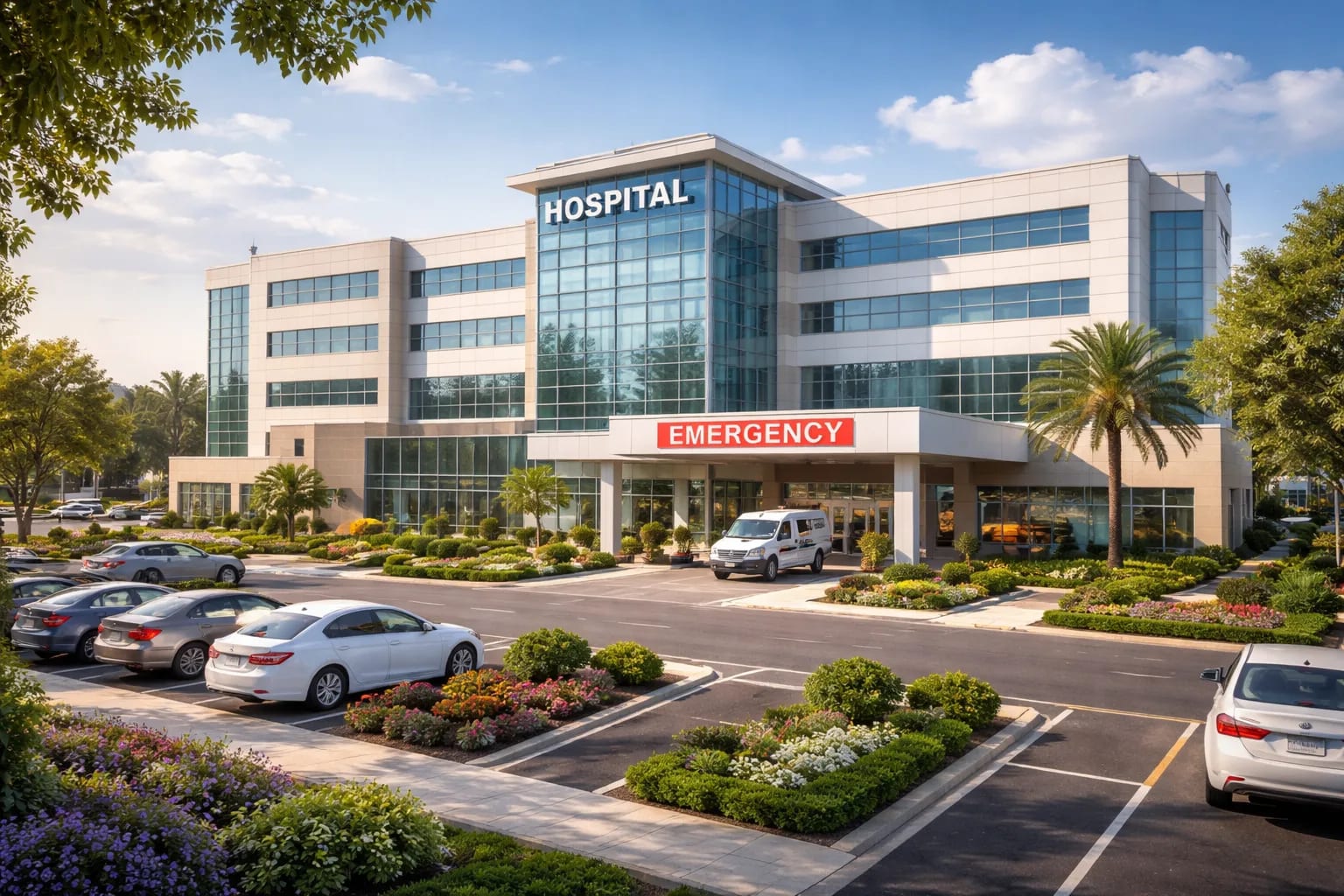
Hospital Generator Services in Kenya
Ensuring 100% uptime for critical life-support systems, surgical suites, and diagnostic equipment with specialized healthcare standby power solutions.
Get a Fast Quote
Industrial-grade support for the Healthcare Sector.
The Lifeline of Healthcare: Why Reliable Standby Power is Non-Negotiable
In the healthcare sector, power is not just a utility; it is a vital component of patient care. In Kenya, where grid instability can lead to frequent and unpredictable outages, the reliance on industrial diesel generators is absolute. For a hospital, a power failure is not a mere operational hiccup—it is a life-threatening emergency. When the lights go out, the clock starts ticking for patients on ventilators, neonates in incubators, and surgical teams mid-procedure.
Generator failures in a clinical environment can disrupt critical operations, leading to catastrophic financial losses from damaged sensitive equipment and, more importantly, severe safety risks to patients. PowerProKe Ltd stands as Kenya's premier specialist in industrial generator repair and maintenance, specifically tailored for the high-stakes requirements of the medical industry. We understand that in a hospital, "standby" means "ready at a millisecond's notice."
Kenyan Healthcare Engineering Standards
Hospital standby power in Kenya is strictly regulated by the Energy and Petroleum Regulatory Authority (EPRA) and must align with Ministry of Health (MoH) infrastructure guidelines. At PowerProKe Ltd, we ensure your facility remains compliant with:
NFPA 110 Compliance
We implement Level 1 Emergency Power Supply System (EPSS) protocols, ensuring your generator reaches full voltage and frequency within 10 seconds of a power failure.
NEMA Noise Control
Hospitals are designated as "Zone A" (Silent Zones) by NEMA. We specialize in ultra-silent canopies that maintain noise levels below 45dB at 7 meters during night-time operation.
Failure to maintain these standards doesn't just risk legal penalties; it risks patient safety. Our technicians carry specialized harmonic analysis equipment to ensure that the power produced by your generator is "clean" enough for sensitive MRI and CT scanning suites.
Critical Power Requirements in the Healthcare Industry
Life-Support Systems
Ventilators, dialysis machines, and heart-lung bypass units require continuous, high-quality power. Even a momentary dip in voltage can cause equipment resets that endanger patient lives.
Operating Theatres & ICUs
Surgical lighting, anesthesia machines, and monitoring arrays in Intensive Care Units (ICU) must remain operational during grid failures to ensure procedure continuity and patient monitoring.
Cold Chain Storage
Blood banks, pharmacies, and laboratories rely on precise temperature control. A generator failure can lead to the loss of millions of shillings worth of vaccines, blood products, and reagents.
The operational risks of outages in hospitals extend beyond immediate patient care. Modern diagnostic tools like MRI and CT scanners are highly sensitive to power quality. Sudden shutdowns can cause expensive hardware damage or data corruption in Hospital Information Systems (HIS). Uninterrupted power supply (UPS) systems provide the bridge, but the diesel generator is the heavy lifter that must sustain the facility for hours or even days during prolonged blackouts.
Common Generator Challenges in Healthcare Facilities
Wet Stacking & Low Load Issues
Hospitals often have oversized generators for future expansion. Running a large diesel engine at low loads causes unburned fuel to accumulate in the exhaust system (wet stacking), leading to reduced efficiency and potential engine damage.
Fuel Degradation & Contamination
Standby generators may sit idle for weeks. Without proper fuel polishing and biocidal treatment, diesel can degrade or develop microbial growth, clogging filters exactly when the generator is needed most.
Automatic Transfer Switch (ATS) Failure
The ATS is the critical link that detects grid failure and signals the generator to start. Mechanical wear or electronic faults in the ATS can prevent the seamless transition of power, leaving the hospital in the dark despite a functional generator.
Why These Problems Occur
Most hospital generator issues stem from dormancy. Unlike prime power units, standby generators spend 99% of their time off. This leads to battery discharge, seal drying, and fluid settling.
- Lack of regular load bank testing to clear carbon deposits.
- Environmental factors like dust and humidity in Kenyan coastal or highland regions.
- Inadequate training of on-site facility staff for basic pre-start checks.
Specialized Generator Services for Hospitals
Advanced Diagnostics
Using computerized diagnostic tools to identify electronic control module (ECM) faults and sensor inaccuracies before they cause a shutdown.
Load Bank Testing
Simulating full facility load to ensure the generator can handle the peak demand of surgical units and HVAC systems without overheating.
Fuel Polishing & Analysis
Removing water, sediment, and microbial growth from your bulk storage tanks to guarantee high-quality combustion.
ATS & Switchgear Service
Comprehensive testing of transfer switches and synchronization panels to ensure seamless power transitions.
Alternator Rewinding
Expert repair of alternator windings and voltage regulators (AVR) to maintain stable voltage output for sensitive medical electronics.
24/7 Remote Monitoring
Installation of IoT monitoring systems that alert our technicians to low fuel, battery failure, or engine alarms in real-time.
24/7 Emergency Generator Support for Healthcare
In a hospital, every second counts. Our rapid response teams are stationed across Kenya to provide immediate intervention when your standby system fails during a blackout.
Critical Shutdowns
If your generator fails to start during a utility outage in Nairobi or across Kenya, our technicians arrive with mobile diagnostic kits to restore power immediately.
Overheating Alarms
Sudden temperature spikes under load can lead to engine seizure. We provide emergency cooling system repairs and fluid flushes.
Control Panel Faults
Electronic glitches can lock out a generator. We bypass or repair control logic to ensure the engine runs when needed.
Preventive Maintenance: The Best Insurance Policy
A "fix-it-when-it-breaks" approach is unacceptable in healthcare. Preventive maintenance (PM) is the cornerstone of power reliability. At PowerProKe Ltd, our PM programs for hospitals are designed to meet international healthcare standards (like NFPA 110).
- Monthly Operational Tests: Running the generator under load to verify start times and transition logic.
- Cooling System Integrity: Pressure testing radiators and inspecting hoses for signs of fatigue or "softness."
- Battery Management: Testing cold cranking amps (CCA) and cleaning terminals to prevent the #1 cause of generator failure.
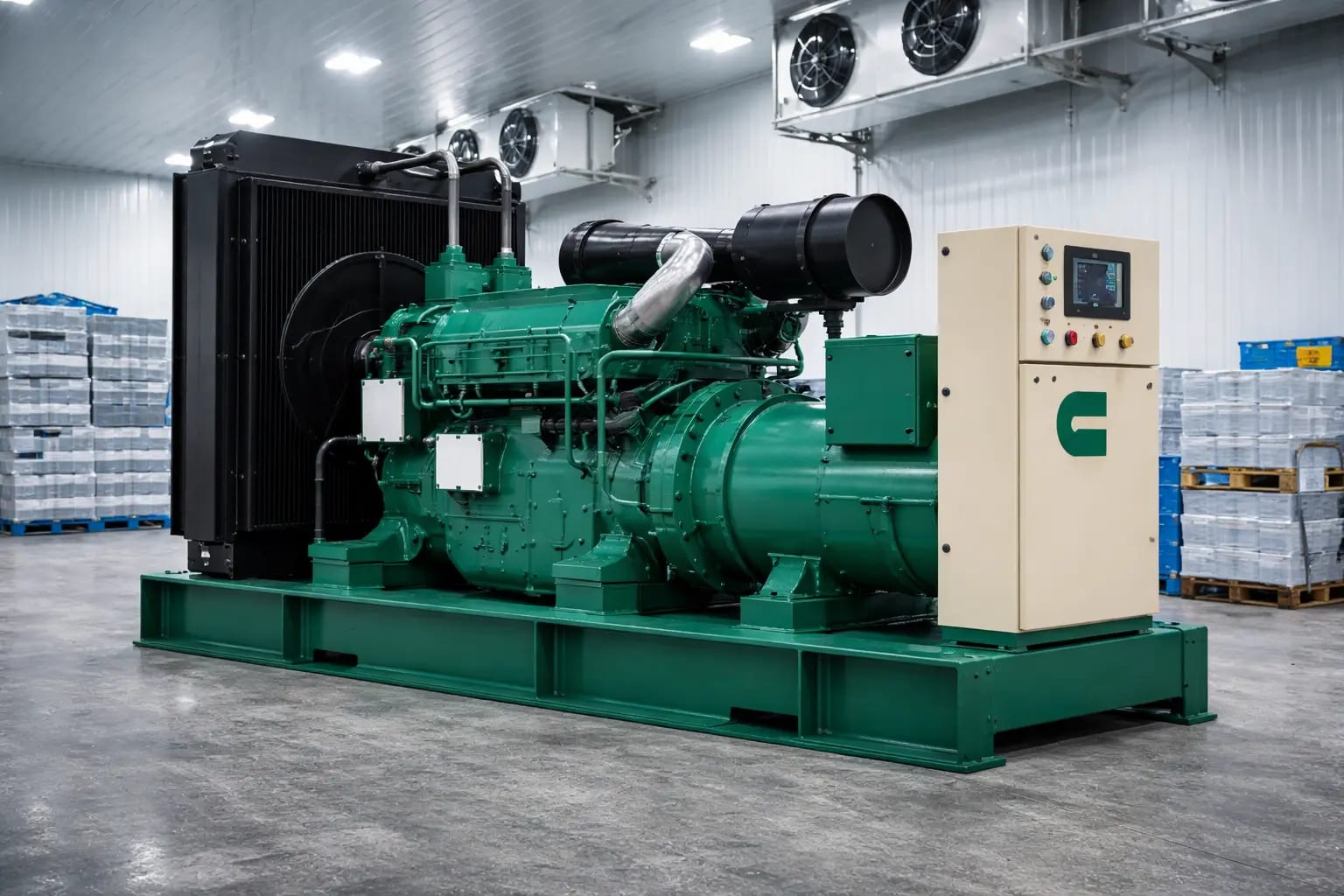
Expertise in Medical-Grade Power Brands
Healthcare power is a specialty. We possess the manufacturer-specific software and diagnostic tools required for the high-precision governors found in medical backup units.

Eng. Okumu
Lead Technical Reviewer & Auditor
Specialization
Alternator Rewinding & Precision Servicing
"In a hospital, a minute without power isn't an inconvenience—it's a critical safety risk. We dedicate our engineering resources to ensuring that the machines keeping patients alive never stop, no matter what happens to the grid."
Why Kenyan Hospitals Trust PowerProKe Ltd
Medical-Grade Precision
We understand the sensitivity of medical equipment and maintain strict power quality standards.
Rapid Response
Strategically located teams ensure we reach your facility in record time during emergencies.
Advanced Tools
From thermal imaging to load banks, we use the best technology to diagnose your systems.
Certified Expertise
Our engineers are certified and experienced in high-voltage industrial power systems.
Frequently Asked Questions
Why are generators critical in hospital facilities?
Hospitals house life-sustaining equipment that cannot tolerate even seconds of power loss. Generators provide the essential backup required to keep ventilators, ICUs, and surgical suites operational when the national grid fails.
How often should hospital generators be serviced?
We recommend a comprehensive service every 250 hours of operation or every 6 months, whichever comes first. Additionally, weekly "no-load" tests and monthly "on-load" tests are mandatory for healthcare compliance.
What causes generators to fail during power outages?
The most common causes are battery failure (dead or weak batteries), fuel contamination (water or algae in the tank), and air in the fuel lines. Regular preventive maintenance eliminates these risks.
Can PowerProKe Ltd help with generator sizing for new wings?
Yes, we provide professional load auditing and sizing services to ensure your new generator can handle the specific inductive loads of medical equipment and HVAC systems.
Protect Your Patients with Guaranteed Power
Don't wait for the next blackout to find out if your generator works. Schedule a comprehensive diagnostic audit with PowerProKe Ltd today.
Kenya's Most Trusted Hospital Generator Service Partner