
Technical Introduction
The Alternator (or Synchronous AC Generator) is the electromagnetic core of a power generation system, responsible for the conversion of mechanical torque into high-quality electrical energy. While the diesel engine serves as the prime mover, the alternator's performance is governed by complex electromagnetic principles, thermal management, and insulation integrity.
In high-availability environments—such as Level 4 data centers, regional hospitals, and critical telecommunications hubs—the alternator must deliver a stable, low-harmonic sinusoidal output under varying load conditions. A failure in the alternator is typically a high-consequence event, often involving dielectric breakdown of winding insulation or mechanical bearing seizure. Such failures require specialized engineering intervention, including polarization index (PI) testing and precision rewinding protocols.
At PowerProKe Ltd, we view the alternator as a precision instrument. Its reliability is a function of its thermal duty cycle, the health of its brushless excitation system, and the dielectric strength of its Class H insulation. This guide provides a technical framework for understanding alternator thermodynamics, harmonic distortion, and life-extension maintenance strategies.
System Engineering
The modern industrial alternator operates on Faraday's Law of Electromagnetic Induction: when a conductor moves through a magnetic field, an electrical current is induced. In a standard "revolving field" alternator, the magnetic field (the rotor) spins inside a stationary set of conductors (the stator).
The Brushless Design Architecture:
Most commercial generators today use a brushless design to minimize maintenance and electrical noise. The process involves three distinct stages:
- The Exciter Stage: The AVR sends DC current to the stationary Exciter Stator. This creates a magnetic field. The Exciter Rotor spins within this field, generating AC power.
- The Rectification Stage: This AC power from the exciter rotor is sent to a Rotating Diode Bridge (mounted on the main shaft). The diodes rectify the AC into DC.
- The Main Field Stage: This DC current is fed into the Main Rotor (the "Field"). As the main rotor spins, its powerful magnetic field sweeps across the Main Stator windings.
- Power Output: The moving magnetic field induces a high-voltage AC current in the main stator windings, which is then delivered to your building's electrical switchgear.
This "generator within a generator" design allows the system to control massive amounts of output power using only a tiny amount of control current from the AVR, all without the need for wear-prone carbon brushes or slip rings.
Technical Failure Modes
Alternator failures are often the result of long-term environmental degradation or sudden electrical stress. Because the alternator is a high-voltage environment, small issues can rapidly escalate into total failures.
1. Insulation Breakdown
The copper windings are coated in a specialized varnish (Insulation Class H is standard). Over time, heat, moisture, and vibration cause this varnish to crack or degrade. Once the insulation fails, current "leaks" between windings or to the ground, causing a short circuit.
2. Bearing Failure
The rotor shaft is supported by high-precision bearings. Lack of lubrication, contaminated grease, or shaft misalignment can cause these bearings to overheat and seize. A seized bearing can cause the rotor to strike the stator, leading to total mechanical destruction.
3. Diode Bridge Failure
The rotating diodes are subject to high centrifugal forces and electrical surges. If a diode fails (either open or shorted), the alternator will lose excitation. A shorted diode can also cause the exciter windings to overheat and burn out.
4. Contamination (Dust & Moisture)
Alternators are air-cooled. In dusty or humid environments, contaminants are sucked into the windings. Dust acts as an insulator, trapping heat, while moisture creates conductive paths that lead to "tracking" and eventual electrical arcing.
Another significant issue is Load Imbalance. If one phase is significantly more loaded than others, it creates "negative phase sequence" currents. This causes the rotor to overheat rapidly, potentially melting the insulation on the rotor windings.
Diagnostic Symptoms
- Abnormal Noise or Vibration:
A high-pitched whine or a deep rumbling often indicates bearing wear or electrical imbalance in the magnetic field.
- Burning Smell or Smoke:
This is a critical emergency. It indicates that the winding insulation is actively melting or that a bearing has overheated to the point of combustion.
- Voltage Fluctuations:
Unstable output voltage that doesn't respond to AVR adjustments often points to a failing diode bridge or intermittent winding shorts.
- High Alternator Temperature:
If the alternator casing is too hot to touch, it indicates poor airflow, internal electrical losses, or severe overloading.
- Zero Voltage Output:
Complete loss of power output, usually accompanied by an "Excitation Loss" alarm on the control panel.
Engineering Diagnostics
Because the alternator is an enclosed unit, diagnosis requires specialized testing equipment to "see" inside the windings and mechanical components.
Professional Diagnostic Tools:
Insulation Resistance (Megger) Test
We use a high-voltage Megohmmeter to apply 500V or 1000V DC to the windings. This measures the "leakage" through the insulation. A low reading (typically below 2 Megohms) indicates that the windings are contaminated or degraded.
Polarization Index (PI) Test
A 10-minute insulation test that measures how the insulation reacts over time. It is the best way to determine if windings are simply damp or if they are permanently damaged.
Thermal Imaging
Using infrared cameras while the generator is under load, we can identify "hot spots" in the windings or bearings that are invisible to the naked eye.
Vibration Analysis
Measuring the frequency and amplitude of vibrations can pinpoint bearing wear or shaft misalignment long before a mechanical failure occurs.
Restoration Protocols
Alternator repair is highly specialized. While some components like the diode bridge or bearings can be replaced on-site, winding failures often require the alternator to be removed and sent to a specialized workshop for "rewinding."
The "Clean, Dry, Tight" Protocol:
- Cleaning: We use specialized electrical contact cleaners and low-pressure dry air to remove dust and oil from the windings.
- Drying: If windings are damp, we use external heaters or "short-circuit drying" to drive out moisture before applying power.
- Varnishing (Revarnishing): For aging alternators, we can apply a fresh coat of insulating varnish to seal micro-cracks and extend the life of the insulation.
- Bearing Replacement: We recommend proactive bearing replacement every 10,000 to 20,000 hours, depending on the environment and load profile.
At PowerProKe Ltd, we provide full alternator refurbishment services, including stator and rotor rewinding using high-grade copper and Class H insulation materials.
Brand Matrix Compatibility
The world's leading generator brands rely on a few specialized alternator manufacturers. Our technicians are factory-trained on these systems:
Each brand has specific air-gap tolerances, bearing specifications, and diode bridge configurations. For example, Stamford alternators often feature the "Permanent Magnet Generator" (PMG) system for enhanced motor-starting capability, which requires specific diagnostic steps.
Lifecycle Preservation
To ensure your alternator lasts for its intended 20-30 year lifespan, follow these professional maintenance practices:
Maintain Phase Balance
Ensure the electrical load is balanced across all three phases (L1, L2, L3). An imbalance of more than 10-15% can cause significant rotor heating and vibration.
Use Anti-Condensation Heaters
Always keep the alternator's space heaters energized when the generator is not running. This is the single most effective way to prevent insulation failure in Kenya's humid climate.
Annual Load Bank Testing
Running the generator at 100% load for several hours once a year helps "bake out" any moisture in the windings and verifies the cooling system's efficiency.
Technical Escalation
Alternator issues are high-voltage emergencies. If you notice any of the following, shut down the generator immediately and call PowerProKe Ltd:
- Visible smoke or a strong ozone/burnt smell from the alternator.
- Loud mechanical grinding or screeching noises.
- The generator is running but the control panel shows a "Voltage Sensing Loss" or "Reverse Power" alarm.
- The alternator casing is too hot to touch (above 80°C).
Our mobile engineering teams carry Meggers, thermal cameras, and replacement diode bridges to provide immediate on-site diagnostics and repair.
Technical FAQ
Can a generator alternator be rewound?
Yes. If the stator or rotor windings fail, they can be stripped, cleaned, and rewound with new copper wire and high-grade insulation. This is often 40-60% cheaper than buying a new alternator, especially for large units above 500kVA.
How long should a generator alternator last?
With proper maintenance (clean environment, balanced loads, and dry windings), a high-quality industrial alternator can last 25 to 30 years in standby service.
What is 'Wet Stacking' and does it affect the alternator?
Wet stacking is an engine issue (unburnt fuel in the exhaust), but it often coincides with low-load operation. Low-load operation is bad for the alternator too, as it doesn't get hot enough to drive out moisture from the windings.
Why is moisture so dangerous for an alternator?
Moisture combines with dust to create a conductive paste. This allows electricity to 'track' across the surface of the insulation. Eventually, this tracking leads to a high-energy arc that burns through the insulation and destroys the winding.
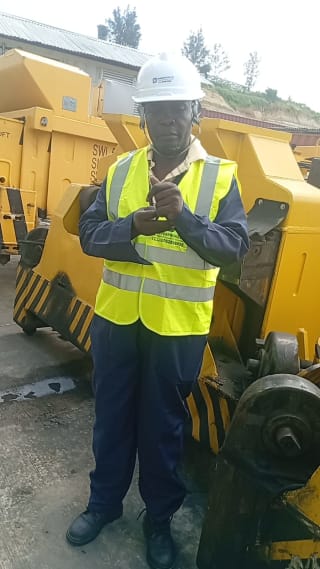
Eng. Okumu
Lead Technical Reviewer & Auditor
Specialization
Alternator Rewinding & Precision Servicing
Experience
18+ Years Industrial Power Systems
All information in this guide has been field-verified by our engineering team to meet current Kenyan Energy Regulatory Authority (EPRA) standards and manufacturer-specific diagnostic protocols for Perkins, Cummins, and Caterpillar systems.