In a hospital, a generator failure is not an inconvenience — it is a patient safety crisis. Operating theatres, ICUs, ventilators, and neonatal units depend on continuous, clean power. Over the past decade, our engineers have serviced generators in more than 30 medical facilities across Nairobi. Here is what we have learned about the brands that perform best in healthcare environments.
What Hospitals Require From a Generator
- Transfer time under 10 seconds (faster is better for critical equipment)
- Voltage regulation within ±1% (sensitive medical equipment is damaged by voltage spikes)
- Low Total Harmonic Distortion (THD under 5% to protect imaging equipment and UPS systems)
- N+1 redundancy capability (the facility can keep running even if one generator fails)
- Local parts availability in Kenya (critical for fast repair)
The Four Brands Most Commonly Found in Nairobi Hospitals
1. Cummins
Most CommonCummins generators — particularly the QSB, QSL, and QSK series — are the most widely deployed in Nairobi's private hospitals. The C-series commercial generator sets paired with Cummins' own DST (Digital Series) control panels offer tight voltage and frequency regulation that medical facilities require.
Strengths in Healthcare
- Excellent THD performance with PMG (Permanent Magnet Generator) excitation
- Cummins Care Kenya support network with genuine OEM parts in Nairobi
- PowerCommand control system for remote monitoring
- Proven reliability across hospitals including Nairobi Hospital and Aga Khan
Considerations
- Higher initial purchase price than Perkins equivalents
- INSITE diagnostic software requires certified training
- Some older C-series models have AVR sensitivity issues in humid environments
Common sizes in hospitals: 200kVA – 1,000kVA
2. Perkins
Perkins engines (manufactured by Caterpillar in Peterborough, UK) are extremely common in government hospitals and county health facilities across Kenya, partly due to their lower purchase price and Kenya's long-standing familiarity with Perkins servicing. The 4006, 4008, and 4012 series industrial engines are the workhorses of Kenyan generator rooms.
Strengths
- Excellent parts availability across Kenya — even upcountry
- Well-understood by most local technicians
- Robust mechanical design tolerates variable fuel quality
- Cost-effective for medium-sized facilities
Considerations
- Older Stamford alternators paired with some Perkins units have limited AVR options
- Electronic engines (ECFM) require Perkins EST diagnostic software
- THD can be higher on older models without PMG excitation
Common sizes in hospitals: 100kVA – 500kVA
3. Caterpillar (CAT)
CAT generator sets — primarily the C15, C18, and C27 series — are found in Kenya's largest private hospitals and specialist centres. They are typically chosen for their exceptional reliability and CAT's global support network, which means certified technicians and genuine parts are available even for unusual faults.
CAT's EMCP 4 control panels offer sophisticated paralleling capability — essential for large hospitals running multiple synchronized generator sets in an N+1 or N+N configuration.
Common sizes in hospitals: 500kVA – 2,000kVA (large facilities)
4. Volvo Penta
Volvo Penta TAD series engines are increasingly specified for new hospital builds in Nairobi due to their Tier 4 emissions compliance, excellent transient load response, and competitive pricing for the 400kVA–800kVA range. We have serviced Volvo Penta units at several newly built private medical centres in Westlands and Karen.
The main limitation in Kenya is that Volvo Penta parts are less widely stocked than Cummins or Perkins, which can extend repair times if a unique component is needed. This makes a preventive maintenance contract particularly important for facilities running Volvo Penta units.
Common sizes in hospitals: 300kVA – 800kVA
Choosing the Right Generator for a Healthcare Facility
The right brand for a hospital is the one that combines the required technical performance with the best local support. A technically superior generator that takes three weeks to repair because parts are not available in Kenya is a liability, not an asset.
Our recommendation for most Kenyan hospitals:
- For facilities below 500kVA: Perkins (excellent parts availability, well-understood locally, cost-effective).
- For facilities between 500kVA and 1,500kVA: Cummins (strong local support, excellent control panel options, ideal for paralleling).
- For large specialist hospitals above 1,500kVA: Caterpillar (global support network, proven in the most demanding healthcare environments worldwide).
- For new builds prioritising emissions and transient response: Volvo Penta (with a confirmed local parts supply agreement in place).
Need Generator Advice for a Healthcare Facility?
We have worked with hospitals across Nairobi and can provide independent technical advice on generator selection, maintenance contracts, and emergency repair. Call us to speak with an engineer.
Speak With an Engineer — 0762 816 825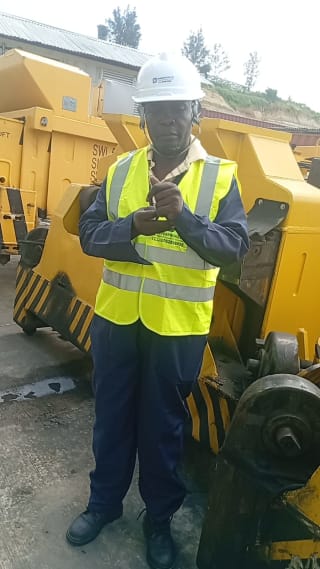
Eng. Okumu
Lead Technical Reviewer & Auditor
Specialization
Alternator Rewinding & Precision Servicing
Experience
18+ Years Industrial Power Systems
All information in this guide has been field-verified by our engineering team to meet current Kenyan Energy Regulatory Authority (EPRA) standards and manufacturer-specific diagnostic protocols for Perkins, Cummins, and Caterpillar systems.