
Generator Repair & Maintenance in Kilimani
PowerProKe Ltd provides specialized generator engineering for Kilimani's high-density residential towers and mixed-use developments. We focus on phase balancing, acoustic compliance, and managing heavy inductive loads from elevators and HVAC systems.
Generator Engineering for High-Density Environments in Kilimani
Kilimani has rapidly transitioned into a zone of high-density residential towers and mixed-use commercial spaces. This architectural shift fundamentally changes the demands placed on standby power systems. Generators in this area are no longer just running basic lighting and appliances; they are responsible for heavy inductive loads including multiple elevator banks, high-capacity water booster pumps, and commercial HVAC systems.
A critical challenge in Kilimani is phase imbalance. In residential apartment blocks, single-phase loads (individual apartments) are distributed across the three phases of the generator. If these loads are not carefully balanced, the alternator experiences uneven thermal stress, leading to premature winding failure and erratic voltage output.
The "Vertical Growth" of Kilimani means that generators are often located in basement levels or tight boundary spaces. This creates significant cooling challenges. Recirculation of hot radiator air is a common cause of engine derating and shutdown. Our technical approach involves calculating the required airflow (CFM) and ensuring that static pressure drops across louvers and ductwork are within engine manufacturer specifications.

Phase Balancing & Alternator Thermal Management
In Kilimani's multi-dwelling units (MDUs), the distribution of single-phase loads across a three-phase generator is rarely perfect. When one phase is significantly more loaded than the others (unbalanced load), it creates a "negative sequence" current in the alternator.
This negative sequence current induces high-frequency currents in the rotor surface and damping windings, leading to rapid temperature spikes. If the imbalance exceeds 10-15%, the alternator's insulation begins to degrade at an accelerated rate.
- Thermal Imaging: We use FLIR cameras to detect hot spots in the stator windings during full-load operation.
- Load Redistribution: Our engineers provide detailed audits to help facility managers redistribute apartment loads across the phases.
Basement Installation: Ventilation & Engine Derating
Many generators in Kilimani are installed in basement parking lots or enclosed ground-floor rooms. These environments are notoriously difficult for diesel engines, which require massive volumes of cool air for both combustion and radiator cooling.
Ensuring engine fans can overcome louver resistance.
Calculating airflow required to prevent thermal runaway.
"For every 5°C increase above standard ambient temperature, a generator can lose up to 3% of its power capacity."


Technical Depth: Power Quality & Harmonic Distortion
Managing Inrush Currents
Elevator motors and HVAC compressors in Kilimani high-rises create massive transient loads. During startup, these motors can draw 6 to 8 times their rated current.
Solution
We calibrate the AVR's UFRO and stability circuits to optimize the alternator's response to these surges.
Harmonic Mitigation
Modern buildings use Variable Frequency Drives (VFDs) and LED lighting, which inject harmonics back into the generator.
Diagnostic
Our technicians use power quality analyzers to measure Total Harmonic Distortion (THD).
Basement Safety Protocol
Carbon Monoxide & Life Safety Systems
In Kilimani's basement installations, exhaust leaks are a lethal risk. We specialize in the integration of Life Safety Systems that monitor for CO and exhaust gas accumulation. Our engineers ensure that the generator's control logic is correctly interfaced with the building's Fire Alarm Control Panel (FACP).
"In high-density residential towers, the generator room is often adjacent to parking or utility areas. We perform regular Smoke & Gas Path Audits to ensure that exhaust gases are not entering the building's HVAC intake or stairwells."
Urban Fuel Logistics & Delivery Management
Kilimani's narrow streets and high-density developments make fuel delivery a complex logistical challenge. We manage the entire fuel supply chain for our clients.
Narrow Access Delivery
We coordinate with specialized fuel tankers capable of navigating Kilimani's tight apartment entrances and basement ramps, ensuring your bulk tanks are filled without disrupting traffic or damaging property.
Long-Hose Pumping
For rooftop generators or internal courtyards, we utilize high-pressure pumping systems and long-reach hoses (up to 100 meters) to deliver fuel safely from the street level to the generator's day tank.
Fuel Quality Monitoring
We perform on-site fuel testing during delivery to verify the absence of water and sediment, protecting your engine's high-pressure fuel injectors from the common "dirty diesel" issues found in urban supply chains.
Load Profiles in Kilimani Facilities
Standby generators in Kilimani face specific electrical stresses based on the building type. Our diagnostic approach accounts for these distinct load characteristics.
Facility Power Characteristics
- High-Rise Apartment BlocksCharacterized by heavy motor loads. Elevator motors draw massive inrush currents during startup, which can cause severe voltage dips if the generator's AVR is not properly calibrated. Water booster pumps also create significant inductive spikes.
- Mixed-Use Commercial BuildingsThese facilities combine retail on lower floors with offices or apartments above. This creates highly variable load profiles throughout the day, requiring the engine governor to respond rapidly to prevent frequency hunting and stalling.
- Restaurants & HospitalityCommercial refrigeration and kitchen extraction systems require continuous, stable power. Voltage fluctuations can damage expensive compressor motors. We ensure the alternator output remains strictly within the 400V/230V tolerance.
Common Generator Faults in Kilimani
Our field data from Kilimani and surrounding areas indicates that most generator failures in this zone are electrical rather than mechanical, driven by the nature of the connected loads.
Phase Imbalance & Alternator Overheating
When single-phase apartment loads are unevenly distributed, one phase of the alternator carries significantly more current than the others. This causes localized overheating in the stator windings, eventually burning out the insulation and requiring a complete alternator rewind. We use thermal imaging to detect these hot spots before failure occurs.
AVR Failure from Elevator Loads
Older elevator systems can feed regenerative power back into the generator when braking. This reverse current, combined with massive startup surges, frequently destroys the Automatic Voltage Regulator (AVR) and the rotating exciter diodes. We install surge protection and calibrate UFRO settings to mitigate this.
Exhaust Backpressure & Turbo Failure
In dense building layouts, exhaust pipes are often extended vertically to clear rooflines. If the pipe diameter is not correctly calculated for the length and number of bends, it creates excessive backpressure. This causes the engine to overheat, lose power, and eventually blow the turbocharger seals, leading to oil leaks and black smoke.
Acoustic Canopy Degradation
Generators located in basement parking or tight boundary walls suffer from poor ventilation. The trapped heat degrades the sound-absorbing foam inside the acoustic canopy, leading to noise complaints from neighboring properties and restricted airflow to the radiator, which triggers high-coolant temperature shutdowns.
Technical Service Checklist for Kilimani Facilities
Engine System
- Lube oil viscosity analysis
- Fuel water separator inspection
- Valve clearance adjustment
- Turbocharger axial play check
- Coolant PH & Nitrite testing
Electrical System
- AVR stability calibration
- Exciter stator resistance test
- Phase load balancing audit
- Battery conductance testing
- ATS contactor wear inspection
Cooling & Safety
- Radiator core external cleaning
- Fan belt tension & condition
- Acoustic foam integrity check
- Exhaust backpressure test
- Safety shutdown verification
Experiencing Voltage Fluctuations?
If lights are flickering or appliances are tripping when the generator is running, shut down the unit immediately to prevent damage to sensitive electronics. This is a classic symptom of AVR failure or severe phase imbalance.
Read our technical guide on AVRsTechnical Services in Kilimani
Targeted maintenance and repair for high-density power systems.
Alternator & AVR Repair Kilimani
We diagnose erratic voltage output, replace burnt AVRs, test rotating diodes, and perform megger testing on stator windings. We also conduct phase load analysis to ensure your building's electrical distribution is not destroying the generator.
Generator Maintenance Kilimani
Scheduled servicing based on engine running hours. We replace lubricating oil, fuel filters, and coolant. We inspect fan belts, check battery charging circuits, and ensure the Deep Sea Electronics (DSE) controller is correctly programmed.
Generator Repair Kilimani
We troubleshoot engines that crank but won't start, hunt under load, or overheat. We calibrate fuel injectors, adjust valve clearances, and repair turbochargers on major brands including Cummins, Perkins, and Caterpillar.
Acoustic & Exhaust Services Kilimani
We repair degraded acoustic canopies to resolve noise complaints. We also calculate and modify exhaust pipe routing to eliminate backpressure issues that cause engine overheating in tight basement or boundary wall installations.
Engineering Standards
Rapid Dispatch to Kilimani
We maintain service vehicles equipped with common spare parts and diagnostic tools. We aim for a 60-minute response time to facilities in Kilimani and surrounding areas during power emergencies.
Technical Competence
Our field technicians are trained on major engine platforms including Cummins, Perkins, and Caterpillar. We rely on service manuals, wiring diagrams, and multimeter readings rather than guesswork.
OEM Parts Specification
We install Original Equipment Manufacturer (OEM) filters, sensors, and AVRs. Using aftermarket parts on industrial diesel engines compromises reliability and voids manufacturer warranties.
Service Coverage Area
We dispatch technicians to all estates and commercial zones in the greater Kilimani area:
We cover the entire Nairobi Metropolitan region. View all Nairobi service areas.
Technical FAQ for Kilimani Power Systems
Why does the generator shut down when the elevators start?
Elevator motors draw a massive inrush current (up to 6x their running current) upon startup. If the generator's alternator or AVR is not sized or calibrated to handle this transient load, the voltage drops significantly, causing the control panel to initiate an under-voltage shutdown to protect the facility. We recommend checking the AVR stability settings or considering a PMG upgrade for high-rise buildings in Kilimani.
How do we fix a phase imbalance in our apartment block?
Phase imbalance must be corrected at the main distribution board, not the generator. An electrician must map the single-phase loads (individual apartments) and physically redistribute them across the L1, L2, and L3 phases so the current draw is roughly equal across all three. Our technicians can provide a phase load audit to identify exactly which phases are overloaded.
The generator is overheating, but the coolant level is fine. Why?
In dense areas like Kilimani, this is frequently caused by poor ventilation. If the hot air discharged from the radiator hits a boundary wall and recirculates back into the canopy intake, the engine will overheat. Excessive exhaust backpressure from poorly designed exhaust extensions will also cause rapid overheating. We also check for internal scaling in the radiator core which restricts heat transfer.
What is "Wet Stacking" and why is it common in Kilimani?
Wet stacking occurs when a diesel engine runs at light loads (less than 30% capacity) for extended periods. The engine doesn't reach its optimal operating temperature, leading to unburnt fuel accumulating in the exhaust system as a black, oily liquid. This is common in Kilimani residential blocks where generators are oversized for nighttime loads. We recommend regular load bank testing to burn off these deposits.
Can we use a smaller generator if we have a VFD for our elevators?
Variable Frequency Drives (VFDs) significantly reduce inrush current, allowing for a more closely sized generator. However, VFDs introduce non-linear loads and harmonic distortion. The generator must be equipped with an alternator that can handle these harmonics (typically a 2/3 pitch winding) to prevent overheating and voltage instability.
How often should we service a generator in a Kilimani apartment block?
Standard service intervals are every 250 running hours or every 6 months, whichever comes first. However, in high-density areas where generators run frequently due to grid instability, we recommend monthly inspections of the battery charging system, fuel levels, and coolant condition to ensure 100% start reliability.
What are the noise regulations for generators in Kilimani?
NEMA regulations in Kenya generally limit noise levels in residential areas to 60dB during the day and 35dB at night at the property boundary. Most industrial generators produce 75-85dB. We provide acoustic attenuation solutions, including sound-attenuated canopies and secondary silencers, to ensure your facility remains compliant and avoids neighbor complaints.
Can a generator damage my building's elevator electronics?
Yes, if the generator's voltage regulation is poor. Voltage spikes during load shedding or harmonic distortion from the generator can damage sensitive VFDs and control boards. We ensure your generator's AVR is high-quality and correctly tuned, and we can install transient voltage surge suppressors (TVSS) for added protection.
Our Service Area in Kilimani
Strategic technical response units stationed to serve Kilimani, Nairobi, and the surrounding metropolitan region.
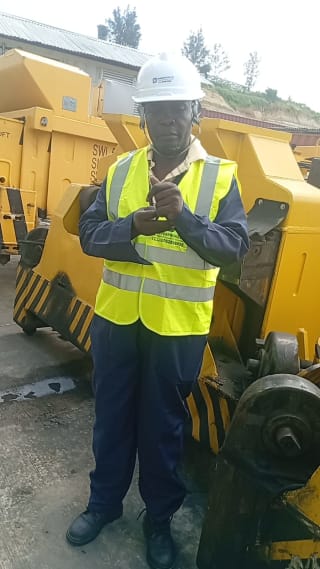
Eng. Okumu
Lead Technical Reviewer & Auditor
Specialization
Alternator Rewinding & Precision Servicing
Experience
18+ Years Industrial Power Systems
All information in this guide has been field-verified by our engineering team to meet current Kenyan Energy Regulatory Authority (EPRA) standards and manufacturer-specific diagnostic protocols for Perkins, Cummins, and Caterpillar systems.
Schedule Generator Maintenance
Ensure your standby power system is ready for the next grid failure. Contact our engineering team for diagnostics, repairs, or to establish a preventative maintenance schedule for your facility in Kilimani.